



Migrations split across parallel agents

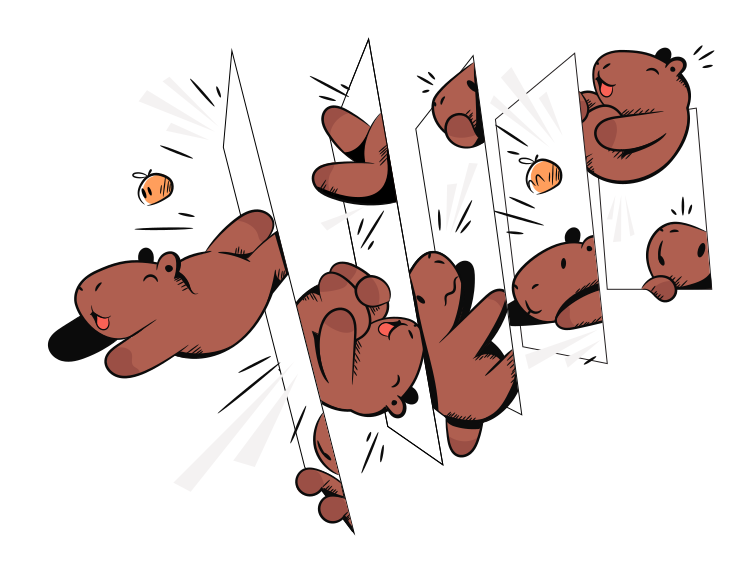
Describe the migration once. Capy splits it by directory or package, and each agent ships its own pull request from a clean checkout.


Autumn
Supermemory
Exa
Warp
Pocket
Melius
Infisical
Krea
Goblins
RunPod
Town
Firecrawl
Aside AI
Taste Labs
Revyl
Finta
Autumn
Supermemory
Exa
Warp
Pocket
Melius
Infisical
Krea
Goblins
RunPod
Town
Firecrawl
Aside AI
Taste Labs
Revyl
Finta
Autumn
Supermemory
Exa
Warp
Pocket
Melius
Infisical
Krea
Goblins
RunPod
Town
Firecrawl
Aside AI
Taste Labs
Revyl
Finta
Autumn
Supermemory
Exa
Warp
Pocket
Melius
Infisical
Krea
Goblins
RunPod
Town
Firecrawl
Aside AI
Taste Labs
Revyl
Finta

WHAT TEAMS HAND OFF

Dependency upgrades, API migrations, and pattern refactors that span hundreds of files.

Framework moves

Next.js to TanStack Start, one package at a time.

Pattern refactors

One pattern swapped in every file that uses it.

Tasks4
Task 1Bump next 14.2.3 → 15.0.1Fable 5Ready for review
Task 2Bump react and react-dom to 19.1.0Fable 5Ready for review
Task 3Bump prisma 5.22.0 → 6.2.1Fable 5Running
Task 4Bump zod 3.23.8 → 3.24.1Fable 5Running

Nightly upgrades

A nightly check opens a PR for anything vulnerable.
HOW IT WORKS

From one request to a set of pull requests you can review and merge in order.

Describe it once

Name the change and the split, by directory or package, and Capy plans one agent per part.

Each on its own machine

Every agent boots a fresh machine with a clean checkout, so parallel edits can’t collide.

Stacked when dependent

Changes that build on each other ship as a stack of pull requests you merge bottom up.

Fixed by its owner

A failing check or a conflict wakes the thread that owns the PR, and it pushes the fix.

IN PRODUCTION

From September 10 to October 10, 2026, Capy opened or pushed to 1,252 of the pull requests Goblins merged.

“I would miss the satisfaction of just building fast.”
Matt ReedFounding Engineer, Goblins
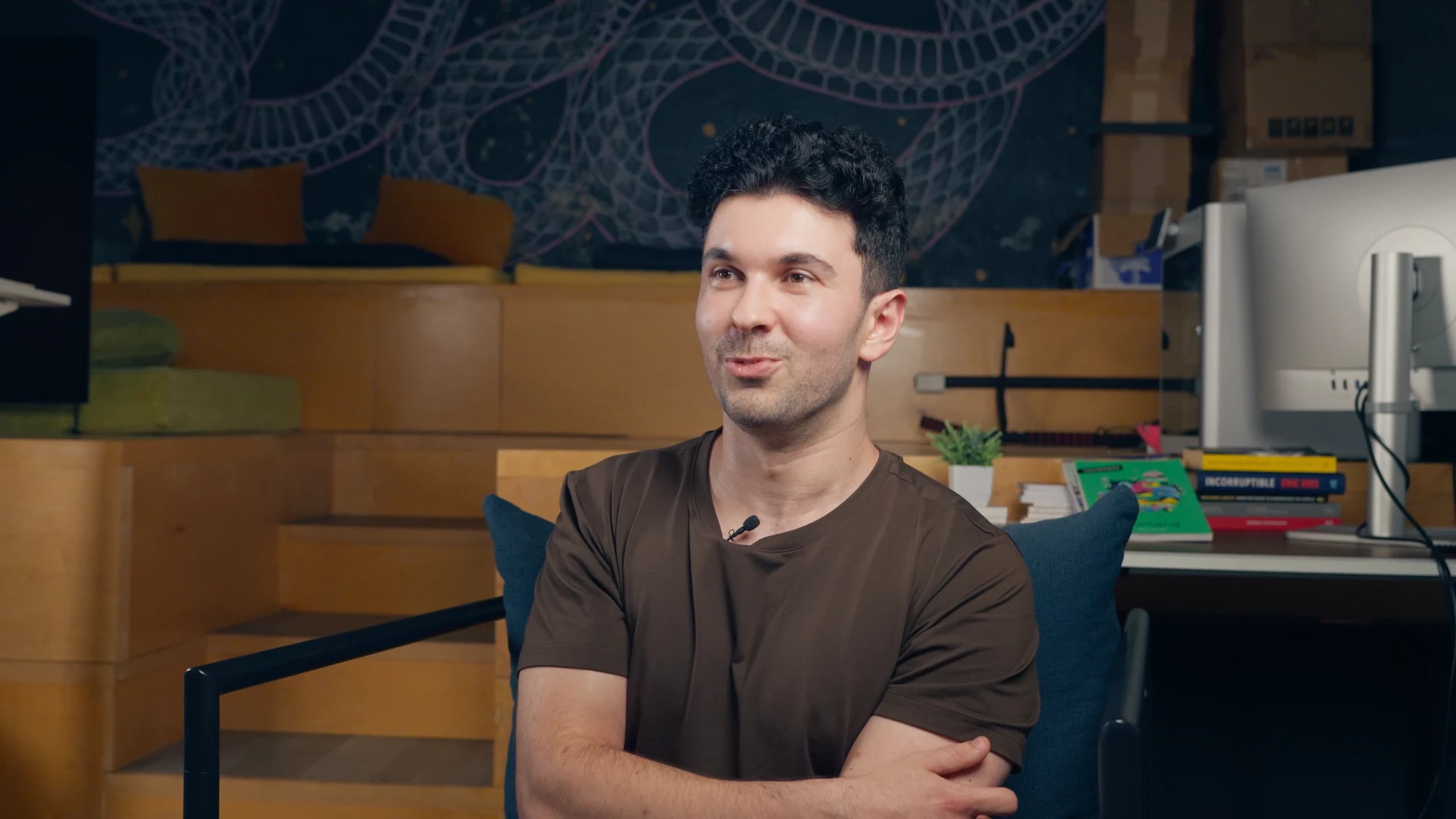
Matt Reed, founding engineer at Goblins
GoblinsRead the story
1,252
merged PRs Capy opened or pushed to in a month
300+
pull requests merged a week
5x
more merged PRs a week, same small team
YOU STAY IN CHARGE

You merge every pull request, set the rules agents follow, and hear only what needs you.

Merge bottom up

Merge a stack from the PR page, one layer at a time.

Your conventions

Every agent follows the rules in AGENTS.md.

Threads120
Search filters by date rangeClaude Opus 5.5now
Offline mode in the iOS appGemini 3.8 Flash12s
Invite teammates in onboarding1GPT-6.1 Sol1m2 PRs
Rate limit headers on the APIGPT-6 Luna3m3 PRs
Audit log export for adminsClaude Opus 5.54m2 PRs
Dark mode for email digestsGPT-6 Luna5m

What needs you

A Captain runs hundreds of agents and flags your calls.
FAQ

FAQ

Common questions about Migrations & refactors with Capy.

How does Capy split a migration?+
Ask for the split you want, such as one agent per directory or package. Capy drafts a parallel agent for each part with its full prompt, starts them, and each one ships its own pull request. Parallel agents must touch separate parts of the codebase.
Why does each agent get its own machine?+
An agent that writes code boots a fresh machine with a clean checkout from the upstream branch, so two agents editing code can’t collide with each other or with the thread that started them.
What if the changes depend on each other?+
Capy stacks them: the first agent ships its pull request, and the next starts from that branch and builds on top. With GitHub’s native stacks, each pull request shows a stack chip such as 2/3, and you merge from the bottom up.
What happens when CI fails or a PR conflicts?+
CI results and conflicts with the base branch wake the thread that owns the pull request, which is the thread that last pushed to it. That thread fixes the failure or resolves the conflict and pushes again.
Can several agents work in the same repository?+
Yes. You can run 25+ agents on different tasks in the same repo at the same time, and each one pushes its own branch. Capy never pushes to the base branch, main, master, develop or release branches.
Can each agent use a different model?+
Yes. Each agent can run on its own model: a cheaper one for mechanical edits, a stronger one for a hard refactor, or a connected subscription like Codex. By default they use the thread’s model.
What about migrations too big for one thread?+
Use a Captain. It starts a thread for each part of the work, each with its own parallel agents, reads their reports, and tells you only what needs you.
How do I keep dependencies from piling up again?+
Set up an automation such as a nightly dependency check: on a schedule like 0 3 * * *, Capy audits dependencies for security advisories and opens a pull request bumping anything vulnerable.

Add Capy to your team

Hand Capy a task from Slack, Linear or the app, and get back a pull request ready to merge.