





Best AI coding agents in 2026: 12 tools compared
Where twelve hosted and open-source AI coding agents run, how each orchestrates work, reviews pull requests and bills teams.

AI coding tools in 2026 have moved from autocomplete to agents that read repositories, edit files, run commands and open pull requests. Below are twelve active tools, seven hosted and five open source, plus four that shut down or changed hands this year.
Every fact below was verified on November 23, 2026 against each product’s live documentation.
Capy pairs cloud microVMs, Issues, Drive and PR review with $0 seats
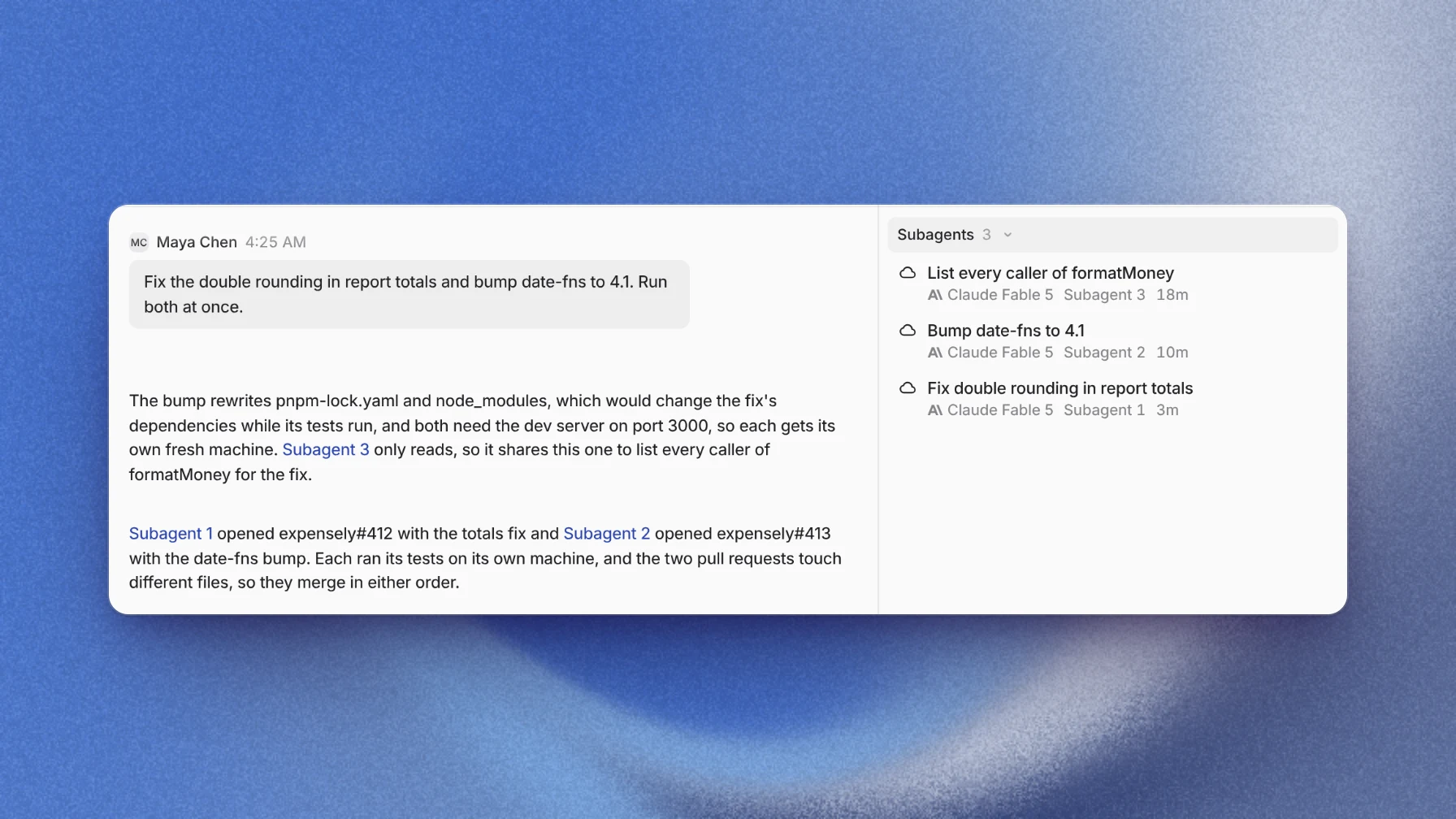
Capy runs coding agents on GitHub.com repositories (GitHub Enterprise Server and other git hosts are not supported). Every cloud thread boots an isolated Firecracker microVM on Ubuntu 24.04; subagents nest up to three levels deep, and writing subagents get their own machines with clean checkouts so they never collide. Sleeping machines cost nothing, and awake RAM scales per organization from 128 GB on Lite (8 Large) and 512 GB on Pro (32 Large) to 1 TB on Max (64 Large) and 1 TB or as agreed on Enterprise, per Capy’s machine docs.
| Size | vCPU | RAM | Disk | Per hour | Plans |
|---|---|---|---|---|---|
| Small | 1 | 4 GB | 64 GB | $0.10 | Lite and up |
| Medium | 2 | 8 GB | 64 GB | $0.20 | Lite and up |
| Large (default) | 4 | 16 GB | 64 GB | $0.40 | Lite and up |
| Ultra | 8 | 32 GB | 64 GB | $0.80 | Pro and up |
| Hyper | 16 | 64 GB | 128 GB | $1.60 | Max (self-serve) |
| Big Guy | 16 | 128 GB | 256 GB | $3.20 | On request |
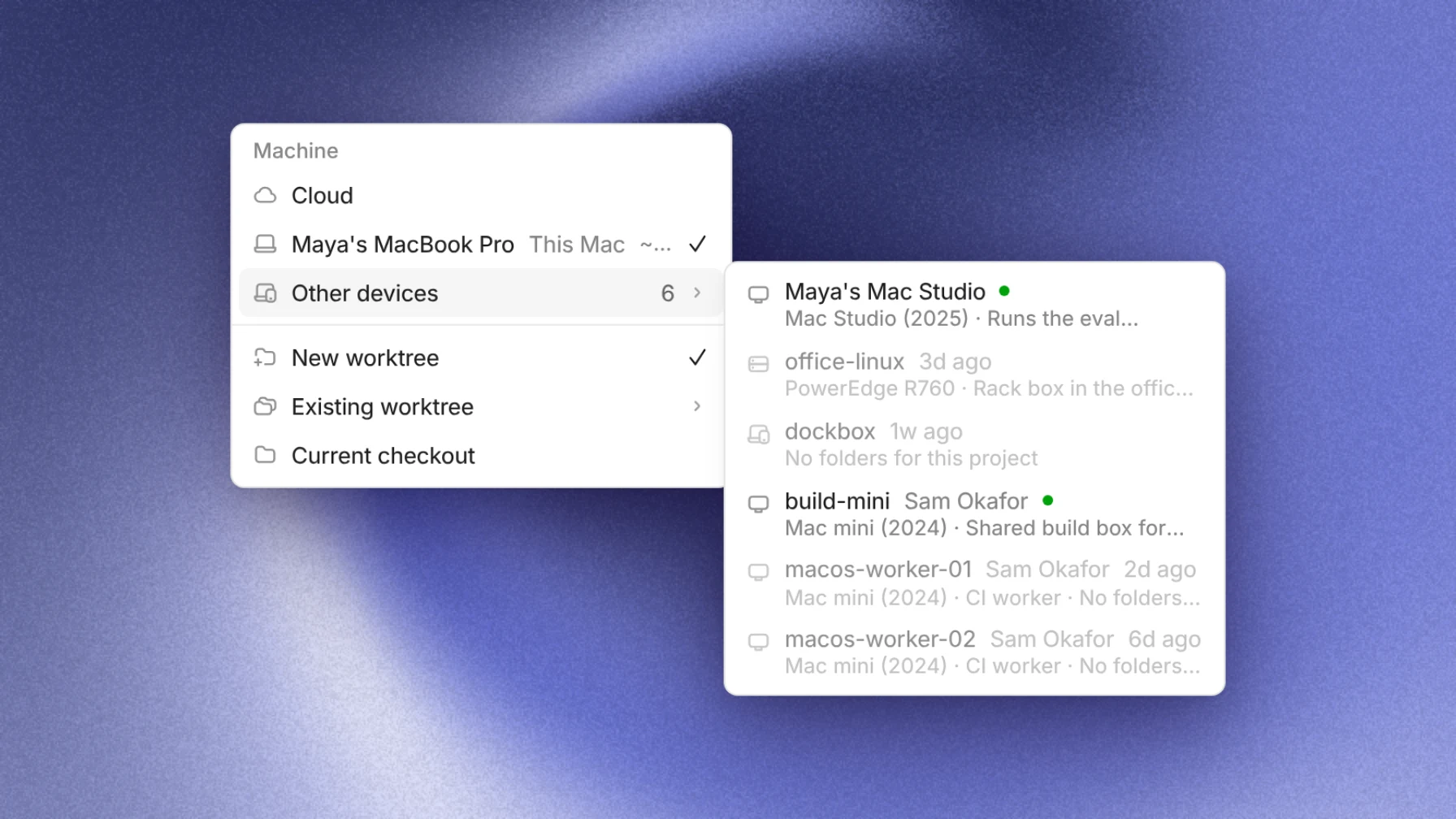
Locally, Capy’s desktop app (macOS, Windows, Linux) runs threads in a folder on your computer with your tools and credentials at $0 machine time, and the Dock CLI (capy dock) pairs workstations or build servers on the same $0 footing; threads move between your computer and the cloud at will. Capy also runs in any phone’s browser and ships an iOS TestFlight beta (no Android app).
Native Issues, Drive, Automations and cloud phones
Capy ships a native Issues page. Issues hold a title, description, state and assignees, attach to threads and PRs, and split into sub-issues under one parent showing closed counts across custom org states and labels; Captains and threads manage issues directly, and commenting wakes the owning thread.
Outside git, Capy Drive stores cross-repo rules, skills, checklists, references and automation state across Organization, Personal, Project, Project + personal, Automation and Captain scopes, with 24-hour History and Restore (1 GB Free, 10 GB Lite, 25 GB Pro, 50 GB Max). Skills from repos, Drive or plugins fire automatically or via $skill-name in the composer or Slack. Automations run stored prompts as full threads on cron schedules, GitHub events, Slack messages, webhooks or on demand. On Pro, Max and Enterprise, threads also attach cloud iOS ($5.40/hr) and Android ($3.60/hr) phones billed while awake, building apps on Revyl’s runners and tapping through them.
Built-in pull request review and the Pull requests board
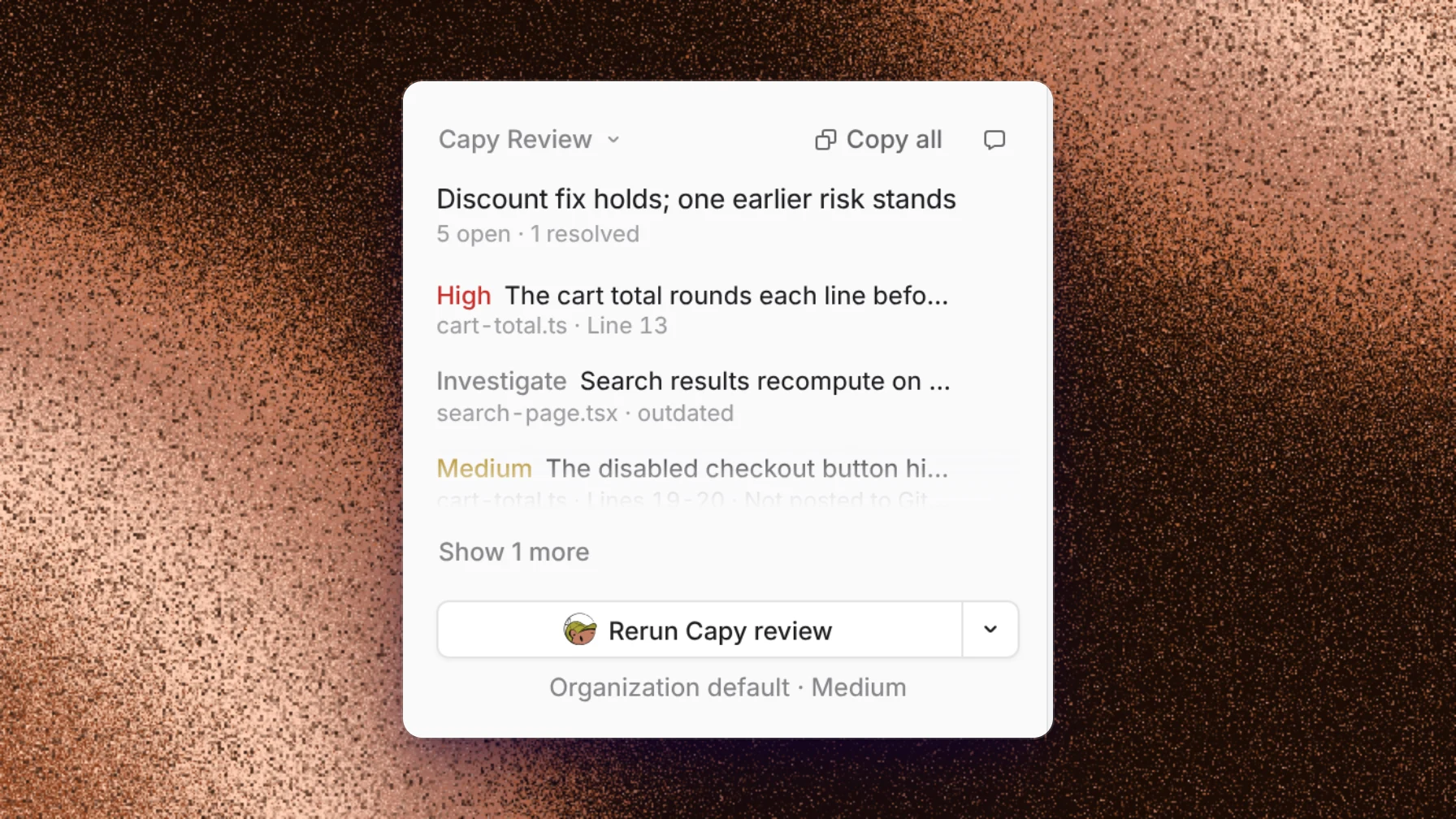
Capy’s review agent reads each diff in a real checkout at the PR’s exact head, enforces AGENTS.md conventions, posts inline GitHub comments and records findings in Capy. Automatic review sets per repo to Off, Once or Every push, plus @capy review. Marking a finding Resolved or Irrelevant resolves the GitHub thread, and incremental re-reviews skip irrelevant items. When a Capy thread owns the PR, it triages each review and fixes high-severity findings, failing CI, feedback and conflicts before reporting ready.
Capy’s Pull requests page lists every PR across projects with CI and review state, filterable by Captain. Opening a PR shows Overview, diff, checks, findings and an auto-generated Guide with a before-and-after diagram and chaptered diffs (toggleable by admins).
Shared organization pricing and models
Every Capy plan covers unlimited members at $0 per seat. Free ($0) runs locally on your own keys and subscriptions with 100 monthly review credits. Lite ($20/mo, $16 annually, $1 for the first 7 days with a verified card) bundles $20 of model usage, 30,000 machine minutes and 250 review credits; Pro ($100, $80 annually) bundles $100, 150,000 and 1,250; Max ($200, $160 annually) bundles $200, 300,000 and 2,500. Each paid plan returns its full price as model usage on top of minutes and review credits.
One machine minute equals one minute on 1 vCPU / 4 GB (Large uses 4/min, Ultra 8, Hyper 16, Big Guy 32), giving Max 1,250 Large hours or about 312 Hyper hours before overage bills $0.10 per 60 machine minutes. Monthly review credits cover model and machine (Low 1, Medium 5, High 10; Flex runs first reviews at Medium and follow-ups at Low, putting Lite, Pro and Max at $0.40 per Medium review). Past included credits, reviews bill Capy credits for actual tokens and machine time and never use your own keys.
On Capy credits, models from Anthropic, OpenAI, Google and xAI bill at the provider’s list price; the picker also lists models such as Kimi, DeepSeek and Qwen. Your own Codex, GitHub Copilot and SuperGrok subscriptions plus API keys and gateways work on every plan including Free with no charge or markup. Capy is SOC 2 Type II compliant on every plan, and Enterprise adds BYOC and zero data retention on request, SSO/SAML (included on Enterprise; $100/mo add-on on Lite, Pro and Max), an admin audit log and 24/7 engineering support in Slack Connect backed by an SLA.
Pick it when your GitHub.com team wants parallel cloud and local agents, Captains, Issues, Drive, PR review and 64 GB self-serve machines under one org plan.
Claude Code puts Anthropic’s agent in terminals, editors and cloud sessions
Claude Code edits files, runs commands, commits, branches and opens PRs across the terminal, VS Code, JetBrains, desktop and browser, reading AGENTS.md in place of CLAUDE.md. Cloud sessions clone from GitHub on Anthropic-managed infrastructure with no separate VM charge, running parallel claude --cloud tasks after you close your laptop. Claude plans start at Pro ($20/mo, $17 annually), Max ($100), Ultra ($200) and Team (2 to 150 users), with cloud sessions drawing from 5-hour and weekly limits (Ultra removes the 5-hour limit for verified accounts).
Pick it when you want Anthropic’s first-party agent across terminal, IDE, desktop and GitHub cloud sessions on a personal or Team plan.
OpenAI Codex pairs an open-source CLI with ChatGPT-bundled cloud tasks
OpenAI Codex shares pricing and limits with ChatGPT: Plus ($20/mo) includes web, CLI, IDE extension, iOS, automatic code review and Slack; Pro runs $100, $200 or $500/mo; Business is $20/user/mo annually ($25 monthly) for two or more users; Free and Go ($8) include only GPT-6 Luna in desktop; API-key use skips cloud features. Codex Cloud runs isolated workspaces on GitHub or GitLab (beta) while your computer sleeps. Its CLI (openai/codex) is open source, while the IDE extension and cloud are proprietary.
Pick it when you already pay for ChatGPT, need GitLab beside GitHub, or want an open-source CLI on OpenAI’s models.
Cursor runs parallel cloud agents across major git hosts under the X Subscription
SpaceX completed its Cursor acquisition on August 14, 2026. Cursor plans bundle Grok and X features through X Subscription Corp: Free, Plus $8 (Grok only), Premium $30/mo, Super $100, Ultra $200, Teams from $30/user/mo and Enterprise, with Premium and above adding cloud agents, automations, Bugbot review and third-party models billed at API list price. Cursor’s cloud agents run unlimited parallel VMs opening PRs with screenshots, videos and logs across GitHub (Cloud and Enterprise Server), GitLab, Bitbucket Cloud and Azure DevOps from desktop, web, iOS, Slack, GitHub, Linear or API.
Pick it when you use GitHub Enterprise Server, GitLab, Bitbucket Cloud or Azure DevOps, or want cloud agents, Bugbot and Grok under one X Subscription.
GitHub Copilot spans major editors and carries one session into the cloud
GitHub Copilot runs in VS Code, Visual Studio, JetBrains, Xcode, Neovim, Eclipse, Zed and a CLI on Free ($0), Pro ($10/user/mo, $15 AI Credits), Pro+ ($39, $70 credits) and Max ($100, $200 credits). Paid plans add issue-to-PR assignment, PR review and third-party agents Claude Code and Codex from Pro (delegation in preview on Pro+ and Max). Since October 28, 2026, Copilot in the cloud carries one session across GitHub.com, GitHub Mobile, the Copilot app, VS Code and CLI on a cloud sandbox, Actions runner or remote environment.
Pick it when your team uses several IDEs and wants issue-to-PR tasks, review and cloud sessions built into GitHub.
Devin combines cloud, desktop, CLI, Bots and review under one brand
Windsurf became Devin Desktop on June 2, 2026, unifying Devin Cloud, Desktop, CLI and Review under Cognition. Devin pricing lists Slack, Teams, Linear, Jira, GitHub, GitLab and Bitbucket integrations and covers Free ($0), Pro ($20/mo with Devin Cloud, frontier models, extra API-priced usage and your ChatGPT plan), Max ($200, adding Devin Bots), Teams (from $80/mo for up to 100 users with Devin Bots and SSO) and Enterprise (with VPC deployment), with daily and weekly allowance refreshes.
Pick it when you want desktop, CLI, cloud agents, Bots and review from one vendor with Jira, Teams, GitLab, Bitbucket or VPC deployment.
Amp runs threads in cloud orbs with Megawatt, Gigawatt, Puck and Spaces
Amp runs each thread in an orb, a preconfigured cloud machine that works after you close your laptop, with multi-model support, Puck, Spaces and a CLI. It also ships native apps for Mac, Windows, Linux, iPhone and iPad (TestFlight) and Android (APK). Under Amp pricing, Hobby is free (pay-as-you-go orbs), Megawatt is $20/mo ($10 for students and teachers) with $20 of usage and 45,000 minutes (750 hours) of a1.small orbs, and Gigawatt is $200/mo with $200 of usage and 1,000 hours of a1.xxlarge orbs; Teams workspaces add no fee and pool purchased credits while tiers and orb hours stay per person, and Enterprise is custom. Hosted Amp orbs cap at a1.3xlarge (16 CPU, 44 GB RAM, 60 GB disk, $2.13/hr on Gigawatt and Enterprise), and your ChatGPT or Claude subscriptions and API keys incur no Amp token fees on non-enterprise tiers.
Self-hosted orbs are free on Hobby, Megawatt, Gigawatt and Teams (Enterprise pays standard rates). For teams keeping work on their own infrastructure, Capy pairs its desktop app and Dock CLI (capy dock) at $0 machine time on workstations or build servers with SOC 2 Type II on every plan and Enterprise BYOC, zero data retention on request, SSO/SAML, an admin audit log and 24/7 SLA support in Slack Connect.
Pick it when you want orbs with free non-enterprise self-hosting, GitLab or Bitbucket support, an Android app, or per-person Megawatt and Gigawatt billing.
How Capy Captains compare with Devin Bots and Amp Puck and Spaces
Once a team runs dozens of parallel threads, coordinating them replaces starting them as the bottleneck. Most major hosted platforms now ship a coordinator layer above single coding threads. ChatGPT’s dot starts and follows up on Codex tasks (rolling out to Pro and Business Premium, and generally available in eligible Enterprise and Edu workspaces). Copilot Projects coordinates agents in public preview in the GitHub Copilot app, and the Copilot CLI’s /fleet command splits a plan across parallel subagents. Cursor Projects run a coordinator that plans work and delegates to Cloud Agents with shared context and a task board.
Cognition launched Devin Bots on November 17, 2026 on Max, Teams and Enterprise: persistent agents with memory and tools that lead multiple Devins toward a goal, investigating, delegating, evaluating results and surfacing decisions that need your judgment.
Amp splits coordination across two tools. Puck is a per-user assistant that launches and steers agents, gathers reports and checks GitHub CI; idle chats go Inactive after 72 hours, and without an orb Puck reads skill files without running scripts and loads no plugins. Amp Spaces, launched November 6, 2026, gives a shared chat one agent to spawn project threads toward a goal, keeping thread cards, artifacts, a 30-day chart and Space instructions while routing @Amp from Slack; Spaces cannot nest, run as their owner’s models and credits, and bill user-triggered threads to that user.
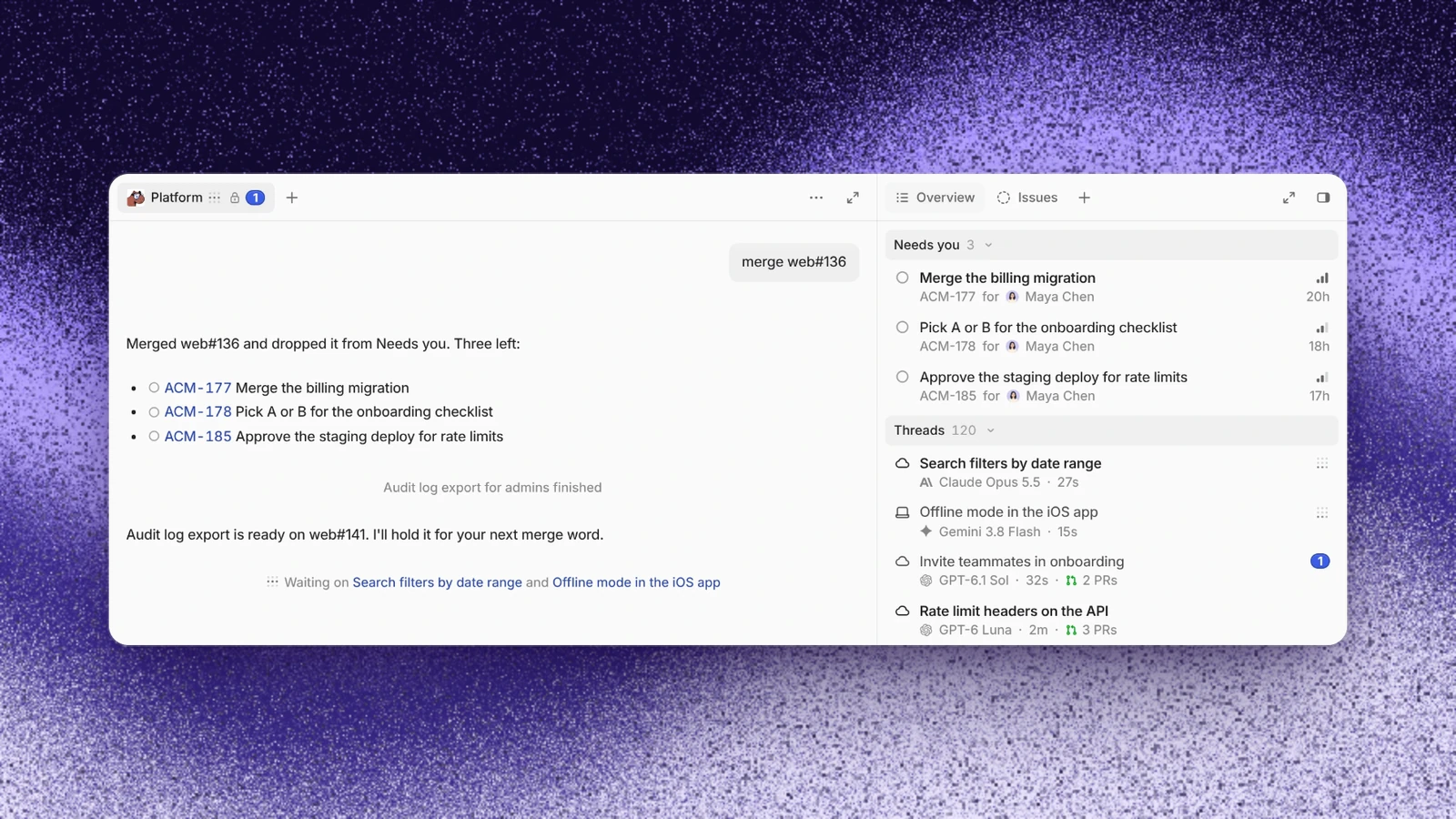
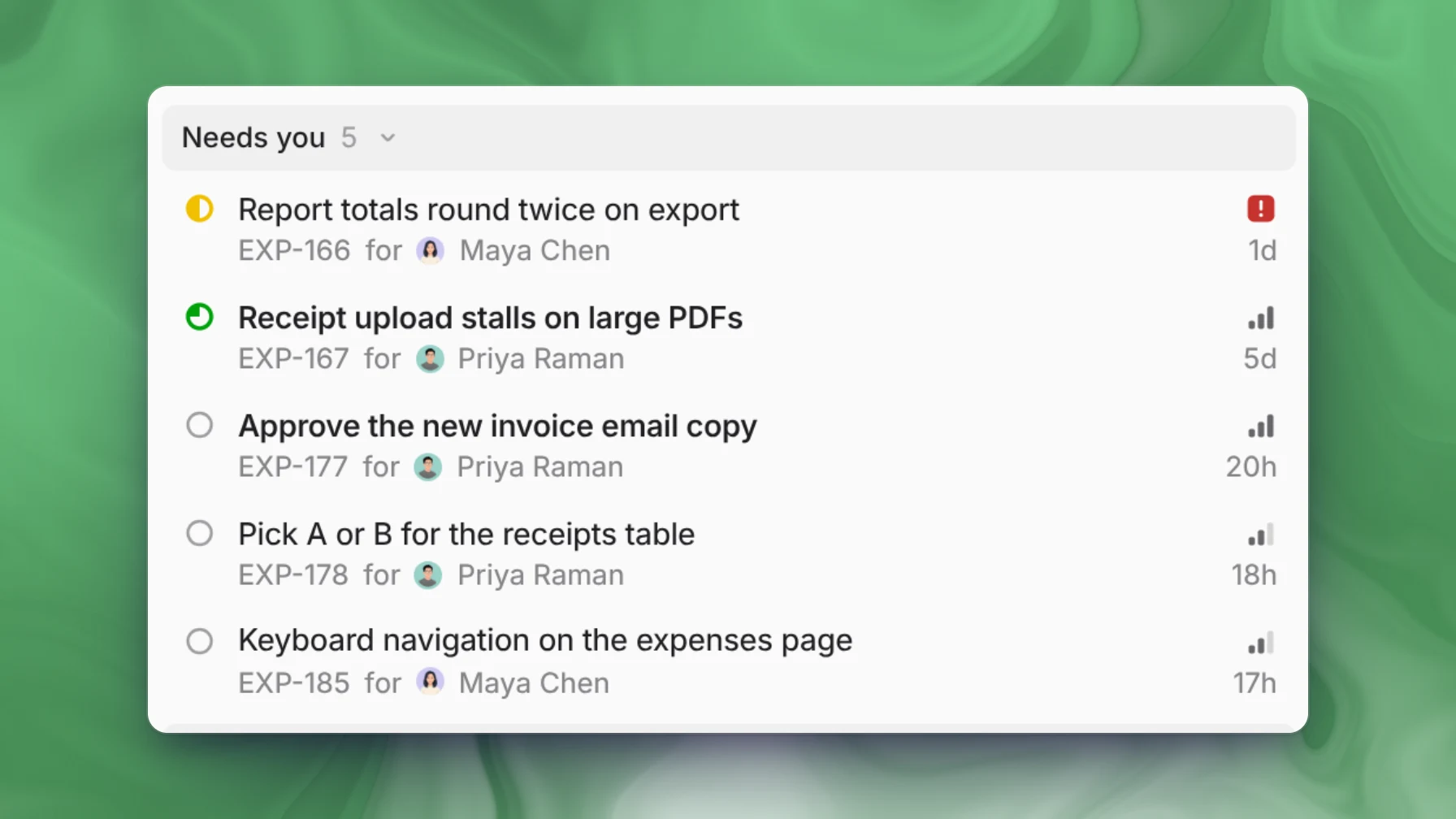
Capy Captains run ongoing codebase areas. Each Captain launches a crew of full threads (each with its own machine, model and subagents), reads their reports and rewrites a digest of what needs you, what is new and what is in progress. Its Overview pins the first five “Needs you” decisions above work in progress, the Digest tab holds the full record, it tags you only for your decisions, and you steer in its chat (“merge #3780”, “hold the migration until Monday”). Each Captain owns a Drive shared with its crew (AGENTS.md, CREW.md read every turn, NOTES.md, DIGEST.md, skills/, reports/, renders/, handoffs/), tracks work in native Issues, and filters the Pull requests board by Captain.
OpenCode is an MIT-licensed agent across desktop, terminal and mobile
The next five tools are open source; Capy is not. OpenCode is MIT-licensed with about 228,000 GitHub stars and reports over 22 million monthly developers. OpenCode ships desktop, TUI, mobile and SDK clients, runs parallel agents on one project, connects to 200+ providers including local and free no-account models, offers OpenCode Go ($10/mo) and signs in with ChatGPT Plus or Pro or GitHub Copilot.
Pick it when you want an MIT-licensed agent across desktop, terminal and mobile with local or free models.
Kilo Code pairs an MIT-licensed agent with zero-markup inference and cloud runs
Kilo Code is an MIT-licensed agent for VS Code, JetBrains, CLI, desktop, cloud agents and Slack, connecting to 500+ models with zero inference markup alongside own keys and local models. On Kilo Code pricing, solo use is free, Teams is $15/user/mo and Enterprise is custom; credits carry a 5% processing fee and cloud agents bill per second at $0.60 to $1.20/hr.
Pick it when you want an open-source VS Code or JetBrains agent with 500+ models and per-second cloud runs.
Aider stays focused on terminal pair programming with automatic git commits
Aider is an Apache 2.0 terminal agent with about 50,000 GitHub stars. It maps your codebase, works with almost any LLM including local models, commits each change with a message, and runs your linter and tests after every edit.
Pick it when you want an Apache 2.0 terminal agent that lints, tests and commits every edit automatically.
goose runs local agents and shareable YAML recipes under the Linux Foundation
goose is an Apache 2.0 agent at the Linux Foundation’s Agentic AI Foundation (aaif-goose/goose). As a macOS, Linux or Windows desktop app or CLI, goose connects to local models and 85+ providers with parallel subagents and shareable YAML recipes for teammates or CI.
Pick it when you want a Linux Foundation open-source agent running locally with subagents and CI-ready YAML recipes.
ForgeCode brings an Apache 2.0 coding agent straight into your shell
ForgeCode is an Apache 2.0 terminal agent with an interactive TUI, one-shot CLI mode and ZSH plugin wired directly to your own AI provider.
Pick it when you work in ZSH and want an Apache 2.0 terminal agent connected to your own provider.
Capy vs Claude Code for a team comes down to billing, models and PR handoff
Claude Code licenses per person (Pro, Max, Ultra) or on Team (2 to 150 users), with cloud sessions sharing each plan’s 5-hour and weekly limits. Capy charges $0 per seat with unlimited members, pooling machine minutes, review credits and model usage across multiple providers, Captains, Issues, Drive, Slack and Linear triggers, and owning-thread fixes for CI, review findings and conflicts.
Pick Capy for GitHub.com teams wanting one shared pool, multiple providers, Captains and PR follow-through; pick Claude Code for Anthropic’s first-party agent across terminal, IDEs, desktop and cloud.
Four coding tools that shut down, went read-only or changed hands in 2026
- Roo Code shut down its VS Code extension, Cloud and Router on May 15, 2026 and archived the extension. Its team recommends Cline and now builds Roomote, a single-tenant cloud agent using your own keys across GitHub, GitLab, Azure DevOps, Gitea and Bitbucket.
- 1Code archived
21st-dev/1codeon July 7, 2026, leaving it read-only. - Continue says it was acquired by Cursor, with its open-source code still available.
- Google Jules winds down December 31, 2026; sessions ended November 11, 2026 per the Jules turndown changelog, leaving it read-only as learnings feed into Antigravity.
Where other tools fit better than Capy
- Non-GitHub git hosts. Capy supports GitHub.com only; choose Cursor, Devin, Codex Cloud or Amp for GitLab, Bitbucket or Azure DevOps, or Cursor or Claude Code (Team and Enterprise) for GitHub Enterprise Server.
- Open-source licenses and local models. Choose OpenCode, Kilo Code, Aider, goose or ForgeCode for MIT or Apache 2.0 code or local inference.
- IDE-first workflows. Choose Copilot, Claude Code, Cursor or Kilo Code inside VS Code, Visual Studio, JetBrains, Xcode or Neovim.
- Android apps. Capy runs in phone browsers and ships an iOS TestFlight beta; choose Amp (APK) or OpenCode for native Android.
Run the same real task in two tools before you commit
Filter on your hard constraints (git host, license, local vs cloud), then run one real issue through two shortlisted tools side by side to compare diffs, tests and cost on your own code. Start on Capy Free locally with your own keys and 100 monthly review credits, then try Lite ($1 for the first 7 days with a verified card) or Pro for cloud machines, Captains, Issues and Drive.
Frequently Asked Questions
What are the best AI coding agents in 2026?+
How do Capy and Claude Code compare for a team?+
How do Capy Captains compare with Devin Bots and Amp Puck or Spaces?+
Which cloud coding agent has the largest machines?+
What is the best open-source coding agent in 2026?+
Is Capy open source?+
Which AI coding tools shut down or changed hands in 2026?+
Sources
- Capy docs: Machines
- Capy docs: Captains
- Capy docs: Drive
- Capy docs: Reviews
- Capy docs: Models and pricing
- Claude Code docs: Overview
- Claude Code docs: Use Claude Code in the cloud
- Claude pricing
- OpenAI: Codex pricing
- OpenAI: Codex Cloud
- OpenAI: Codex open-source components
- ChatGPT docs: Meet dots
- Cursor blog: Cursor is now a part of SpaceX
- Cursor pricing
- Cursor docs: Cloud Agents
- Cursor docs: Projects
- GitHub Copilot plans and pricing
- GitHub Docs: Copilot on GitHub.com and GitHub Mobile
- GitHub Changelog: GitHub Copilot app Universe releases
- GitHub Docs: Speeding up task completion with /fleet
- Devin docs: Devin Desktop FAQ
- Devin pricing
- Devin blog: Introducing Devin Bots
- Amp docs
- Amp docs: Pricing
- Amp docs: Orb sizes and costs
- Amp docs: Meet Puck
- Amp docs: Spaces
- Amp news: Spaces
- Amp docs: Apps
- OpenCode on GitHub
- OpenCode
- Kilo Code
- Kilo Code pricing
- Aider on GitHub
- goose on GitHub
- goose docs
- ForgeCode on GitHub
- Roo Code docs: Sunsetting Roo Code
- Roomote
- 1Code on GitHub (archived)
- Continue
- Jules changelog: Jules Turndown
Spotted something out of date? Tell us at support@capy.ai.
Run parallel agents on your repos
Start free on GitHub.com with unlimited members, no per-seat price, and your own subscriptions and API keys.

- Capy pairs cloud microVMs, Issues, Drive and PR review with $0 seats
- Claude Code puts Anthropic’s agent in terminals, editors and cloud sessions
- OpenAI Codex pairs an open-source CLI with ChatGPT-bundled cloud tasks
- Cursor runs parallel cloud agents across major git hosts under the X Subscription
- GitHub Copilot spans major editors and carries one session into the cloud
- Devin combines cloud, desktop, CLI, Bots and review under one brand
- Amp runs threads in cloud orbs with Megawatt, Gigawatt, Puck and Spaces
- How Capy Captains compare with Devin Bots and Amp Puck and Spaces
- OpenCode is an MIT-licensed agent across desktop, terminal and mobile
- Kilo Code pairs an MIT-licensed agent with zero-markup inference and cloud runs
- Aider stays focused on terminal pair programming with automatic git commits
- goose runs local agents and shareable YAML recipes under the Linux Foundation
- ForgeCode brings an Apache 2.0 coding agent straight into your shell
- Capy vs Claude Code for a team comes down to billing, models and PR handoff
- Four coding tools that shut down, went read-only or changed hands in 2026
- Where other tools fit better than Capy
- Run the same real task in two tools before you commit
- FAQ
- Sources